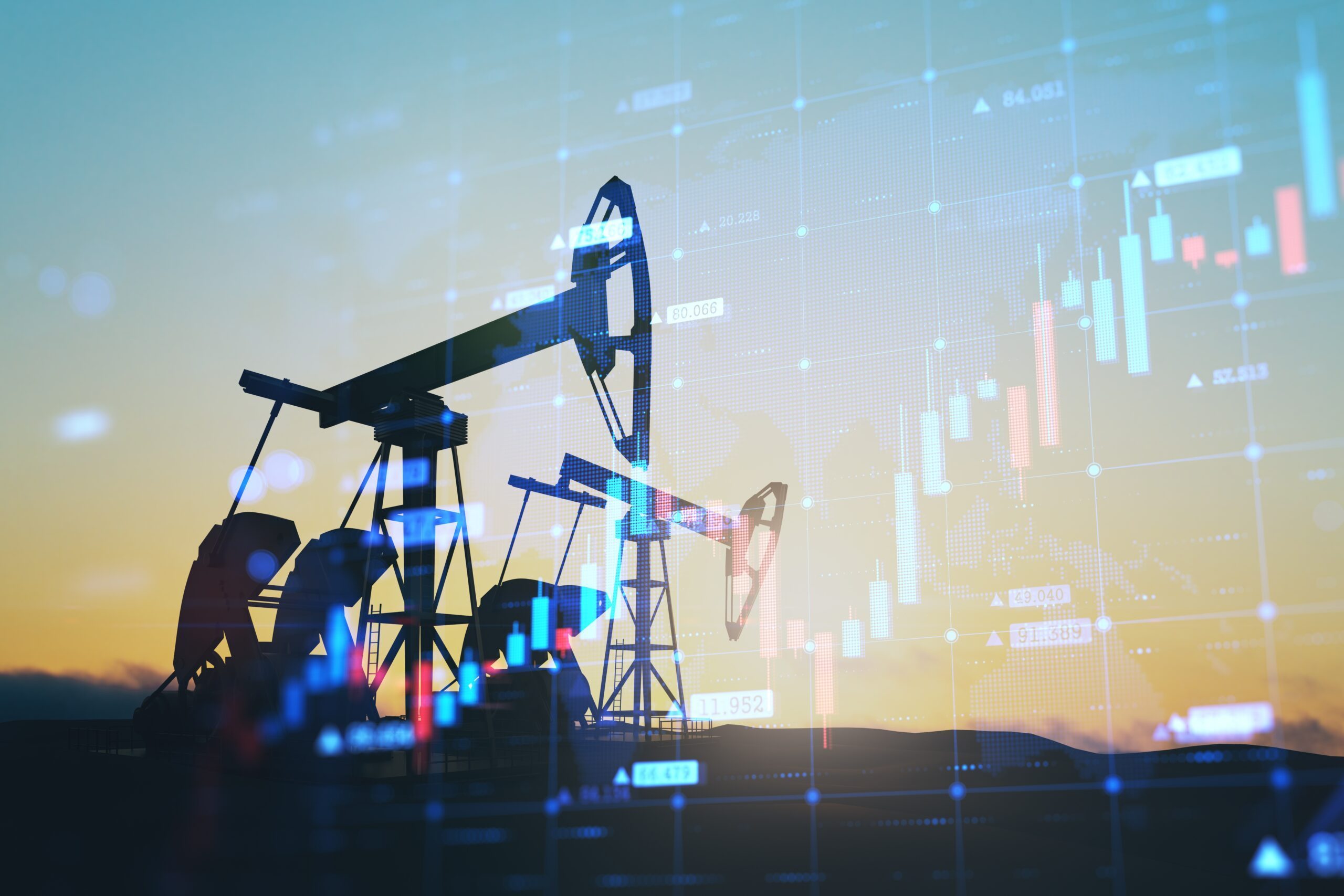
From Oil to Tokens: How the Gulf Is Digitizing Real Assets
Digital asset tokenization GCC is becoming a serious topic for businesses, investors, and institutions across the Gulf. In markets shaped by energy, infrastructure, logistics, real estate, and sovereign ambition, the conversation is moving beyond theory. The Gulf is not abandoning traditional wealth. It is modernizing how that wealth can be structured, accessed, and presented in a digital economy.
From Qatar to Oman, and from the UAE to the wider GCC, decision-makers are exploring how tokenization can support real assets such as oil-linked value chains, gas infrastructure, industrial projects, logistics networks, and property-backed opportunities. This is not about replacing established sectors. It is about improving access, increasing efficiency, strengthening investor communication, and building modern digital infrastructure around real economic value.
At Consai Agency, we see this shift as part of a broader change in how the Gulf does business. Traditional sectors remain powerful, but digital structure is becoming a competitive advantage. Companies that can present complex assets clearly, build trust through strong interfaces, and support investor access with professional digital systems will be better positioned in the next phase of regional growth.
Why Digital Asset Tokenization GCC Markets Are Taking Seriously
The Gulf has always been asset-rich. Energy, commodities, infrastructure, transport, industrial development, and large-scale construction have shaped the region’s economic identity for decades. What is changing now is the layer around those assets. Investors want more visibility. Businesses want more efficient capital structures. Markets want more flexibility without losing credibility.
Digital asset tokenization GCC markets are exploring offers a practical answer to these needs. Tokenization allows asset-linked value to be represented in a digital format that can support better access, stronger reporting, and more flexible participation models. In simple terms, it helps transform large, complex, and often illiquid assets into structures that can be communicated and managed more efficiently.
This matters in Dubai, Doha, Muscat, Abu Dhabi, and across the GCC because the region attracts international capital from diverse legal, cultural, and commercial backgrounds. When investors from different parts of the world review opportunities, clarity becomes a business advantage. Better digital structure creates faster understanding, stronger trust, and a more scalable presentation of value.
How the Gulf Is Moving from Traditional Assets to Digital Asset Tokenization GCC Models
The shift is not happening because tokenization sounds modern. It is happening because it can solve real business problems. Large sectors such as energy, infrastructure, and industrial investment often involve high capital requirements, complex ownership structures, lengthy documentation, and limited liquidity. Digital systems can improve how these opportunities are framed, distributed, and managed.
Energy and Commodity-Linked Value
The Gulf is historically associated with oil and gas. These sectors remain central to regional economics, but the surrounding financial infrastructure is evolving. Tokenization can support new ways of structuring access to commodity-linked value, project-based financing, and digitally enabled participation models. While not every asset is suitable for tokenization, the direction is clear: the region is increasingly interested in digital finance frameworks that can support modern investment ecosystems.
Example: a business group builds an investor-facing platform for an infrastructure-linked opportunity tied to industrial development or a logistics corridor. Instead of presenting the opportunity through static files alone, the company can use a structured digital platform with asset visibility, access controls, performance dashboards, and clearer investor communication. The asset remains real. The experience becomes far more efficient.
Infrastructure and Industrial Projects
Infrastructure is one of the strongest use cases for digitized asset models. Ports, transport hubs, utilities, industrial zones, and strategic development projects all require significant coordination and capital. When supported by structured digital environments, these projects can be presented with greater clarity to stakeholders, financiers, and strategic partners.
This does not mean every infrastructure project becomes a public token offering. It means the logic of digitized asset representation is becoming more relevant. Businesses are looking for better ways to connect project value, investor communication, and digital reporting.
Cross-Border Investment Access
The Gulf is a cross-border business environment by default. Investors in the region often operate across multiple jurisdictions. Tokenized and digitally structured assets can support a more flexible investment model, especially when combined with strong compliance processes, secure onboarding, and trustworthy digital interfaces.
Why This Matters for Dubai, Qatar, Oman, and the Wider GCC
Dubai remains one of the region’s strongest gateways for international capital and digital business development. Qatar continues to position itself through advanced financial planning and regulated digital infrastructure. Oman has also shown clear interest in building a framework for virtual assets and fintech development. Across the GCC, the common direction is easy to read: traditional sectors are being supported by more modern digital systems.
For companies operating in these markets, this creates both pressure and opportunity. Pressure, because outdated presentation methods and fragmented workflows are becoming less competitive. Opportunity, because businesses that move early can establish stronger trust, improve investor readiness, and position themselves as serious players in a changing market.
That is especially relevant for sectors such as:
- Energy and commodity-linked ventures
- Industrial and logistics projects
- Real estate and mixed-asset investment structures
- Private investor platforms and deal rooms
- Cross-border financing and strategic capital introductions
Practical Benefits of Digital Asset Tokenization GCC Businesses Can Use
The strongest case for tokenization is not novelty. It is utility. Businesses in the Gulf need systems that improve the way opportunities are structured and explained. When applied properly, digital asset tokenization can support several clear benefits.
Better Investor Access
Large assets often attract only a narrow group of participants. Digital structuring can broaden access by making opportunities easier to understand, easier to review, and easier to present to qualified stakeholders.
Improved Liquidity Potential
Traditional assets can be slow to trade and difficult to divide. Digitized models may improve flexibility and expand the range of possible investment structures around real economic assets.
Stronger Transparency and Reporting
Modern investors expect more than a brochure and a spreadsheet. They expect dashboards, secure access, clear documents, and disciplined communication. This is where digital systems add direct business value.
More Professional Market Positioning
In competitive GCC markets, presentation quality matters. Businesses that communicate complex investment opportunities clearly earn more confidence from partners, investors, and stakeholders.
How Consai Agency Supports the Shift
Consai Agency helps companies turn complex market ideas into structured digital platforms. For businesses exploring digital asset tokenization GCC opportunities, that can include investor portals, asset presentation systems, private deal-room interfaces, lead-generation landing pages, digital onboarding workflows, and trust-focused web infrastructure.
Our role is not to overcomplicate the concept. Our role is to make it usable, credible, and commercially effective. In Gulf markets, that matters. Investors and stakeholders do not only judge the asset itself. They judge the clarity of the process, the professionalism of the interface, the quality of the information, and the seriousness of the company behind it.
To learn more, visit https://consaiagency.com/our-services/. If you want to discuss a project directly, contact us at https://consaiagency.com/contact-us/.
Trusted External Resources
For broader context on digital assets, tokenization, and regulated financial innovation, see the Qatar Central Bank DLT Guideline, the Oman Financial Services Authority announcement on the virtual assets regulatory framework, the ADGM Digital Assets framework, and the World Bank overview on tokenization.
Why We Are the Right Partner for Businesses
- We turn complex financial and asset concepts into clear digital systems people can understand and use.
- We build for real business outcomes, not trend-driven noise.
- We understand how to communicate with diverse audiences across Dubai, the UAE, Qatar, Oman, and the wider GCC.
- We combine strategy, design, and execution in one structured process.
- We focus on trust, clarity, and conversion, which are essential in investor-facing environments.
Digital asset tokenization GCC markets are exploring reflects a broader regional shift. The Gulf is not moving away from its traditional strengths. It is building a smarter digital layer around them. From oil and gas to infrastructure, logistics, and real estate, the next stage is about making real assets easier to present, manage, and access in a modern financial environment.
For businesses in Dubai, Qatar, Oman, and across the GCC, this is the moment to build credible digital infrastructure around serious opportunities. Companies that combine traditional asset strength with modern digital execution will stand out. Companies that continue relying on outdated methods will face growing pressure.
If your business wants to create a future-ready investor platform, asset presentation system, or high-trust digital experience, Consai Agency can help you build it with precision. Start with our services or reach out through contact.